This guide covers each one, so your first inquiry to a supplier contains what they need to quote accurately.
Sasma supplies certified organic ethanol, neutral alcohol and organic spirits in bulk to distillers, private label brands, cosmetic and personal care manufacturers, and food and beverage producers.
Our range is listed on our organic alcohol page.
Alcohol is certified organic when the agricultural raw material was grown and processed under an organic standard, and every operator in the chain, from producer to trader, is certified and audited by an accredited control body.
Three points matter for buyers:
A certificate lists the products and activities it covers. A supplier being “organic certified” does not mean every product they sell is covered.
If a company buys and sells organic product, it must be certified for that activity. Sasma is certified for organic trading under the EU Organic standard through Skal, the Dutch control body, and under USDA NOP through Control Union.
The organic status of a lot is shown on its transaction documentation, so check that the paperwork matches the product you ordered.
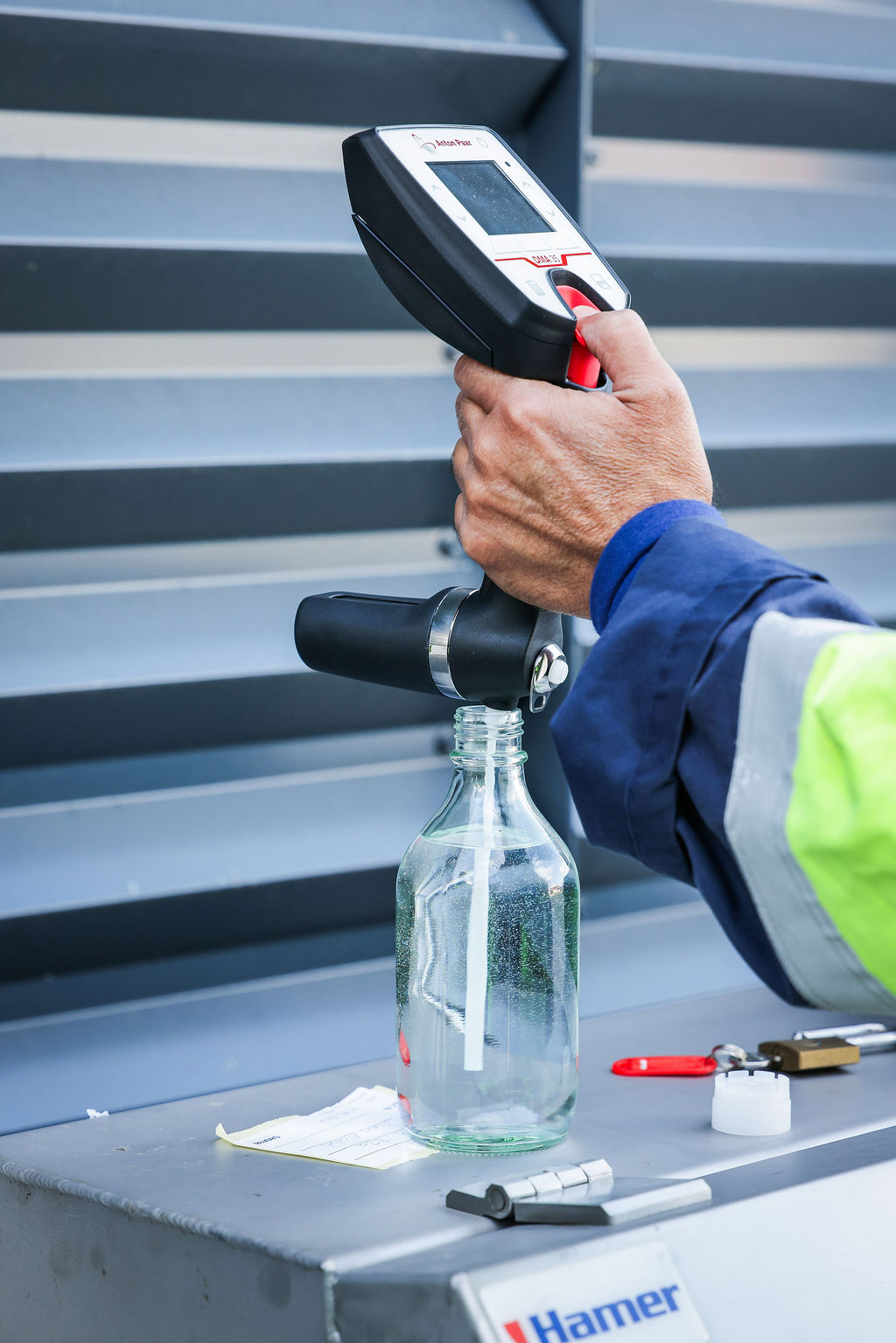
We only release product for sale as organic after the paperwork and the physical goods both check out. Before any lot is invoiced as organic, we confirm:
If any step is incomplete, the lot is held and cannot be sold as organic.
The standard you need is set by where the finished product will be sold, not where the alcohol is made. Most buyers selling in the EU need EU Organic. Buyers selling finished goods labelled organic in the United States need USDA NOP.
The EU and the US recognise each other’s organic standards under an equivalence arrangement, which means most buyers do not need two separate certifications. Conditions apply, so confirm with your own certifier before you rely on it.
Sasma holds both: EU Organic through Skal, and USDA NOP through Control Union. Which one applies to your order depends on the product and the destination market. Tell us the destination market in your first inquiry, because it decides which certificate and documents we provide. For US-market sales under the USDA NOP claim, we can issue a NOP-compliant certificate or Certificate of Analysis that references our NOP certificate number.
Certification scope differs by product. Some products in our range are certified under Skal only, some under both, and some under USDA NOP only. We confirm the scope for your specific product in the quote.
At minimum, expect a product specification, a batch Certificate of Analysis and evidence of organic certification for the product and the supplier. Many buyers also need transaction-level traceability documentation and a safety data sheet.
A complete organic shipment file typically includes:
All of this documentation is available for every organic order. If your customer or auditor requires specific documents, list them in your inquiry. It avoids delays at the border and at your own intake.
Organic alcohol is available as ethanol and neutral alcohol in different strengths, and as organic spirits. The raw material shapes the character of the spirit and the claims you can make on the finished product.
Our organic range includes:
See the full list, with specifications and order details, on our organic alcohol page and the individual product pages.
Choose the strength by what the alcohol must do in your process. 96% is the standard hydrous grade; 99.9% is anhydrous, with water removed.
Our organic sugarcane alcohol at 96-99% is a certified organic base for rum, cachaça, vodka and other organic spirits, and a carrier and solvent for fragrance and flavour formulations. Our 99.9% grade is a high-purity anhydrous base for organic cosmetic and personal care formulations.
If you are unsure which strength your process needs, ask your formulator or send us your application and we will point you to the right product.
The main buyers of certified organic alcohol are spirits brands, cosmetic and personal care manufacturers, and food and beverage producers.
Organic vodka, gin, rum and whisky brands need an organic base that carries through to the label claim.
Organic ethanol is used as a solvent, extraction carrier and preservative in cosmetic and personal care formulations, and as a carrier in fragrances.
Carrier and solvent for organic flavour formulations, food preservative, and organic vinegar manufacturing.
Sasma’s organic alcohol is not COSMOS certified. Several of our customers formulate COSMOS-labelled products, and they confirm with their own COSMOS certification body that our EU Organic certified alcohol is acceptable as an ingredient. If you formulate to COSMOS, tell us in your inquiry and we will supply the certificates your certifier asks for.
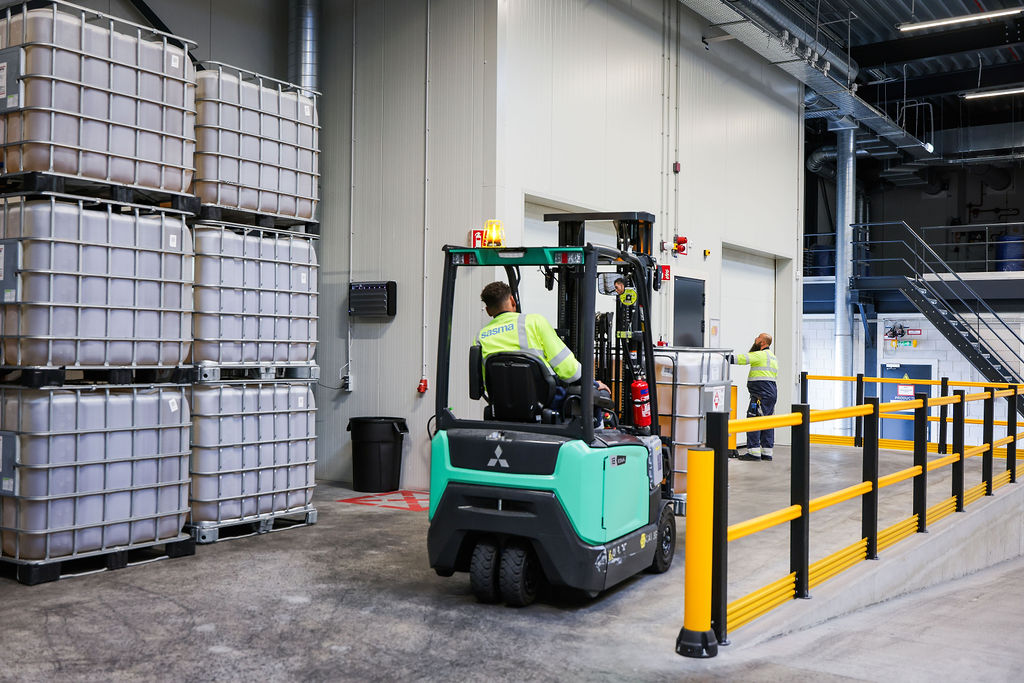
Organic alcohol ships in bulk: 1,000 L IBCs, HDPE drums and ISO containers, from 1,000 L up to full tanker loads.
Packaging choice depends on volume, destination and your handling equipment. IBCs and drums suit smaller and mixed orders; ISO containers and tanker loads suit repeat volume. Minimum quantities and packaging options are listed on each product page.
Organic product is kept separate from conventional product at every step: storage, handling, packaging and labelling.
Our Halsteren warehouse is in the process of organic certification with Skal. These requirements, including sealing, labelling, segregation and the tank cleaning schedule, are implemented there, and repacking from bulk into IBCs at Halsteren will be covered by that certification once granted.
Before you commit to a supplier, check these things:
The more specific your inquiry, the faster and more accurate our quote. Include:
Send us your product, strength, certification requirement, volume and destination, and we will come back with availability and pricing. Contact us at sales@sasmabv.com or use the inquiry form on our organic alcohol page.
Sasma supplies certified organic ethanol and neutral alcohol, including organic sugarcane alcohol at 96-99% and 99.9%, and organic spirits, in IBCs, drums and ISO containers.
asma is certified for EU Organic through Skal and for USDA NOP through Control Union. Which applies to your order depends on the product and where the finished product will be sold. Tell us the destination market and we will confirm the certificate and scope for your product.
All documentation is available for every organic order: the specification sheet, the batch-specific Certificate of Analysis and our organic certificates. Tell us in advance if your customer or auditor requires anything specific.
96-99% contains water and is the grade used as a base for organic spirits and as a carrier and solvent in fragrance and flavour formulations. 99.9% is anhydrous, with the water removed, and is used in organic cosmetic and personal care formulations.
Yes. Organic alcohol is used in cosmetics, personal care, flavour and food products. Check that the grade and certification meet your own standard and your market’s requirements, and send us your application so we can advise.
No. Our organic alcohol is certified under EU Organic and/or USDA NOP, not COSMOS. Customers formulating COSMOS-labelled products confirm with their own COSMOS certification body that our certified organic alcohol is acceptable as an ingredient, and we supply the certificates they ask for.
We supply from 1,000 L (one IBC) up to full tanker loads, in IBCs, HDPE drums and ISO containers. Minimum quantities are listed on each product page.
Product and strength, intended use, required certification, volume, packaging, delivery location and timeline.
Send us your product, strength, certification requirement, volume and destination, and we will come back with availability and pricing. Contact us at info.sasmabv.com or use the inquiry form on our organic alcohol page.